 EN
EN  FR
FR Water Heater Repair Tips for European Homes
A reliable water heater is essential for comfort, hygiene, and daily routines. When a water heater stops working unexpectedly, it can disrupt everything from shower schedules to dishwashing, making it essential for homeowners to understand how water heaters function, common problems to look out for, and how to obtain quick and effective help for water heater repair in European homes.
Understanding Water Heater Types in Europe
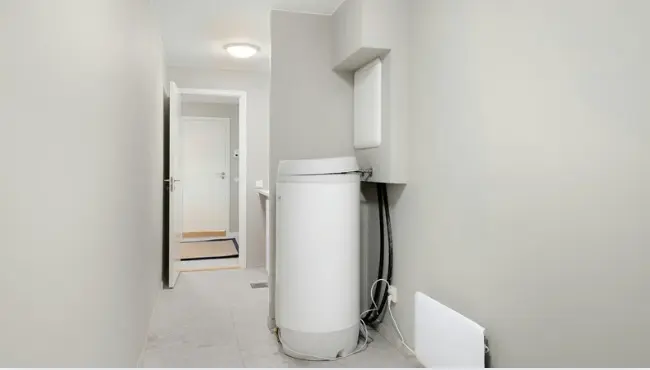
European homes utilize several types of water heaters, each with distinct maintenance requirements and repair considerations. Knowing which type you have makes troubleshooting and repairs much easier.
1. Electric Water Heaters
Electric water heaters are widely used due to their simplicity and reliability. They heat water through electric elements inside the tank.
Common repair issues include:
- Burned heating elements
- Faulty thermostats
- Tripped breakers
- Sediment buildup in the tank
These issues are usually fixable, but require correct diagnostics to avoid overheating or electrical hazards.
2. Gas Water Heaters
Gas heaters warm water using natural gas or propane. They offer fast heating but require proper ventilation and safety checks.
Frequent repair issues include:
- Faulty pilot lights
- Gas valve problems
- Burner malfunction
- Ventilation blockages
Because gas systems involve combustion, repairs must always be done by a qualified professional.
3. Tankless Water Heaters
Tankless models heat water on demand. They are energy efficient and common in modern European homes.
Common issues include:
- Mineral buildup
- Ignition failures
- Water flow problems
- Temperature fluctuations
Tankless heaters require annual maintenance to prevent scale buildup.
4. Solar Water Heaters
These systems rely on solar panels and are popular in southern European countries. Although efficient, they can require repairs due to exposure to the weather.
Typical issues include:
- Leaking collectors
- Pump failures
- Temperature inconsistencie
- Backup system malfunctions
Knowing your system helps you identify potential problems early.
Common Water Heater Problems in European Homes
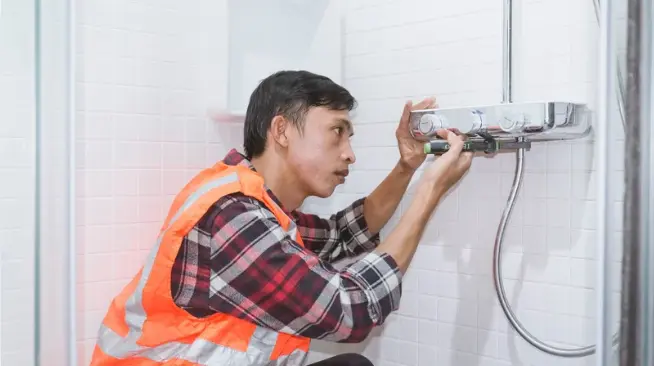
Water heaters often exhibit signs before they fail. Recognizing these signs helps you request repairs faster and prevent further damage.
Unstable Water Temperature
If your water suddenly becomes too hot, too cold, or fluctuates frequently, you may have:
- A failing thermostat
- Sediment buildup
- A malfunctioning heating element
Temperature issues are among the most common requests for water heater repair.
Low Hot Water Pressure
Mineral deposits in pipes are common across Europe due to the presence of hard water. These deposits reduce water flow, especially in older buildings.
Strange Noises from the Heater
Popping, rumbling, or hissing sounds usually indicate sediment buildup inside the tank. This reduces efficiency and may ultimately lead to damage.
Leaks Around the Water Heater
Leaks can come from:
Ignoring leaks often leads to more serious problems.
Discolored or Rusty Water
If rust appears only in hot water, the issue may be inside the tank. If rust appears in both hot and cold water, pipes may be corroded throughout the home.
No Hot Water at All
This typically means:
- A tripped breaker
- Faulty heating elements
- A failed gas ignition
- A broken thermostat
A professional water heater repair technician can quickly identify the cause.
Why Many European Homes Need Regular Water Heater Repairs
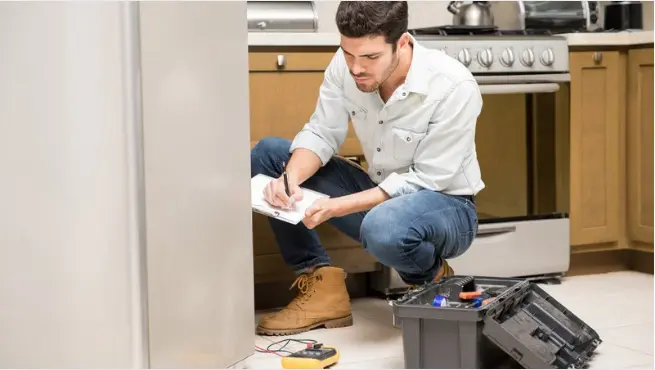
European plumbing systems vary greatly from country to country. Many regions face specific challenges that affect water heater performance.
Hard Water Problems
Hard water affects countries like France, Italy, Germany and the UK. It causes scale buildup on heating elements and inside tanks.
This leads to:
- Reduced efficiency
- Slow heating
- Higher energy bills
- Shorter water heater lifespan
Regular descaling helps prevent these issues.
Older Buildings with Outdated Plumbing
Many European homes are decades or even centuries old. Outdated pipes and narrow plumbing passages can strain water heaters, reducing water flow.
Cold Winters in Northern Europe
Cold incoming water requires more energy to heat, increasing system strain. This often leads to more frequent repairs in the winter months.
Regulations and Safety Standards
Many European countries require water heaters to meet strict safety codes. Regular maintenance ensures compliance and reduces risks.
DIY Tips Before Calling a Professional
Some simple checks can be done before calling a water heater specialist. These steps can save time and prevent unnecessary service calls.
Check Your Power or Gas Supply
For electric heaters:
- Make sure the breaker is not tripped
- Test other electrical devices on the same circuit
For gas heaters:
- Check if the pilot light is lit
- Ensure the gas valve is open
Adjust the Thermostat
Sometimes the thermostat has been accidentally lowered. Verify settings before assuming the system is broken.
Look for Visible Leaks
Check around the tank, pipes, and valves. Even small drips indicate a problem.
Flush the Tank
If you hear noises or notice reduced performance, flushing the tank can remove sediment. However, this should be done carefully to avoid burns or damage.
Reset the Heater
Some heaters have a reset button that restores function after minor issues.
If the problem persists, call a professional immediately.
Why Professional Water Heater Repair Services Matter
Water heaters involve electricity, gas, pressure buildup, and hot water. Repairs must be performed safely to protect your home and prevent future issues.
A professional repair service provides:
- Accurate diagnostics
- Safe repairs
- Replacement parts when necessary
- Prevention advice
- System efficiency improvements
- Long term reliability
Professional repair also ensures compliance with European safety standards, which is especially important for gas and high-pressure systems.
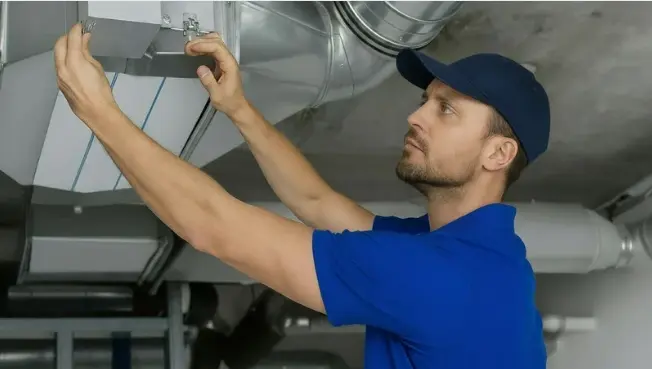
How Professional Repair Services Work
When you call a repair specialist, they typically follow a structured process.
1. Initial Assessment
The technician asks questions about the symptoms and inspects the system.
2. Diagnostic Testing
Using tools such as thermal cameras, pressure gauges and electrical testers, they identify the exact problem.
3. Repair or Replacement
Depending on the issue, they may replace heating elements, thermostats, valves or pipes.
4. System Testing
After repairs, they check temperature levels, pressure and safety features.
5. Recommendations
A professional may advise maintenance steps to prevent further repairs.
This is where many European homeowners rely on Société Drapeau for dependable guidance and trusted repair solutions.
Maintenance Tips to Avoid Future Water Heater Repairs
Proper maintenance extends the lifespan of your water heater and prevents many common issues.
Flush the Tank Annually
This removes sediment that causes noise, inefficiency, and damage.
Check the Anode Rod
The anode rod prevents tank corrosion. It should be replaced every few years.
Insulate Pipes and Tanks
Insulation improves energy efficiency, especially in colder climates.
Install a Water Softener
This reduces mineral buildup in hard water regions.
Inspect Valves and Connectors
Loose valves can cause leaks or pressure issues.
Schedule Yearly Professional Inspections
Annual check-ups catch issues early and ensure safety.
When You Should Call a Water Heater Repair Professional Immediately
Do not delay when you experience:
- No hot water
- Leaking tanks or pipes
- Burning smells
- Gas odors
- Water temperature problems
- Strange noises
- Rust colored water
- Water pooling around the heater
Immediate repair helps prevent further complications and protects your home.
Your Path to Reliable Water Heater Solutions
Efficient and dependable water heater repair keeps your home comfortable, safe and functional, and when you need expert assistance that responds quickly and provides long lasting results, Société Drapeau is ready to help you restore your system and maintain reliable hot water throughout the year.